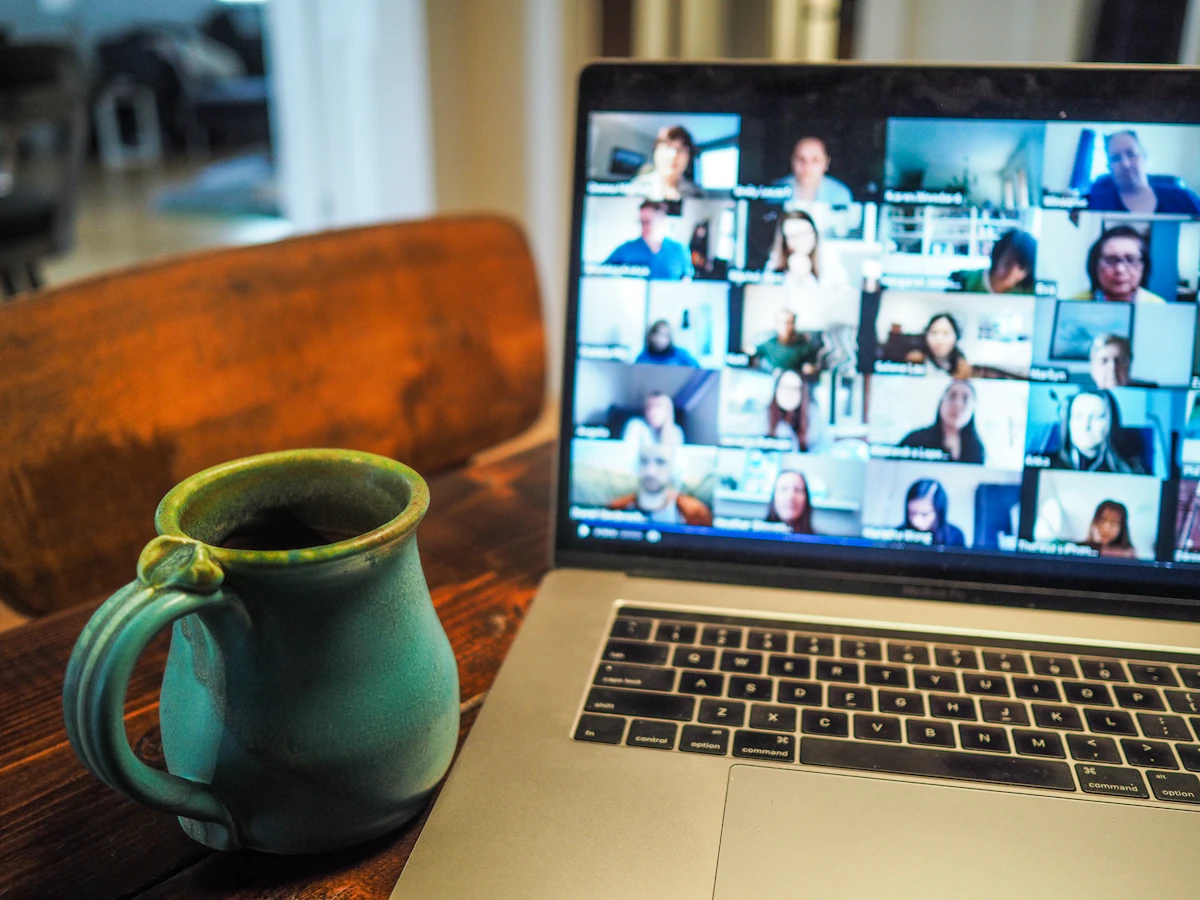
I have lost count of the number of clients who have asked me some version of the same nervous question: "Is online therapy real therapy?" It is a fair thing to wonder, especially when half the internet is trying to sell you an app and the other half insists nothing replaces a chair in a quiet office.
So here is the honest comparison, from someone who has sat on both sides of both screens.
Where online therapy genuinely wins
The commute is the most underrated feature. The research on why people drop out of therapy is clear, and "life got in the way" is the biggest reason. When your session is in your own kitchen, the barriers to staying consistent shrink dramatically. And consistency is the single strongest predictor of progress.
Online sessions also open the door for people who would otherwise never walk through one: parents who cannot find childcare, people in rural areas, anyone whose anxiety spikes at the thought of a waiting room. And for conditions like agoraphobia, doing therapy in the environment where the problem actually lives is not a compromise — it is an advantage.
Where in-person therapy genuinely wins
Some signals get lost through a camera. Subtle shifts in posture, the way someone's voice goes flat, the fidget they stop themselves from doing. Skilled therapists work with what they can see, and a screen gives them less.
The separate physical space also matters more than people expect. For some clients, the car ride home is where the session settles. Your home, meanwhile, is full of reminders: the laptop you doomscroll on, the room where the argument happened. Leaving the place where the pain lives can make it easier to talk about.
The awkward truths on both sides
Online, technical glitches break delicate moments in ways that are hard to recover from. In person, you spend two hours a week in transit and pay for parking. Online, some people find it harder to open up while sitting in the same room their mind associates with scrolling. In person, some people perform "being okay" for a stranger in a way they do not on video.
There is no format that removes the work. That is the part the ads never mention.
My actual recommendation
Choose online if barriers — time, distance, childcare, anxiety about being seen — are the reason you have not started. The best therapy is the one you actually attend. Choose in-person if you have access to it and you suspect you focus better in a dedicated space.
And consider a hybrid path: start online to lower the barrier, and revisit the question once you know what you need. Many of our users begin with an AI-supported session precisely because it removes the scheduling puzzle entirely, then transition to a human therapist once they have found their footing. If your struggles involve thoughts of harming yourself or others, skip the algorithm and go straight to a licensed professional or crisis service.
Whichever door you pick, the important part is the same: you walk through one.



Conversation
0 comments